
Advocacy in Action: Oregon Recovers Advocacy Day 2026
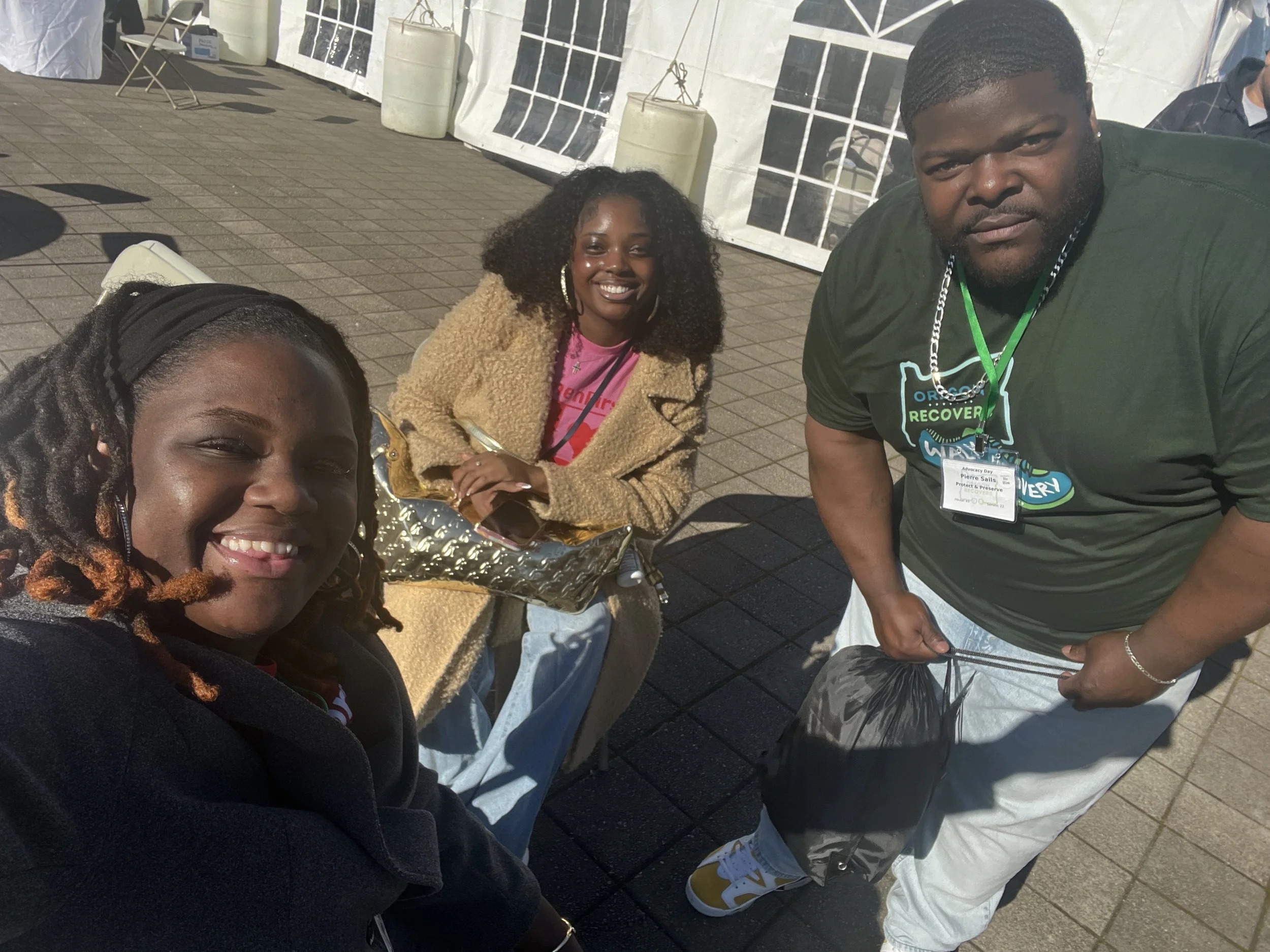
Loyalty Hustler attended Advocacy Day 2026 at the state capital
On February 12, 2026, hundreds of advocates gathered at the Oregon State Capitol for Oregon Recovers Advocacy Day. The theme was clear and urgent: Protect & Preserve Access. Care Over Incarceration.
This wasn’t a symbolic field trip to the Capitol. It was organized, focused, and grounded in lived experience.
Walking Into the Capitol With Purpose
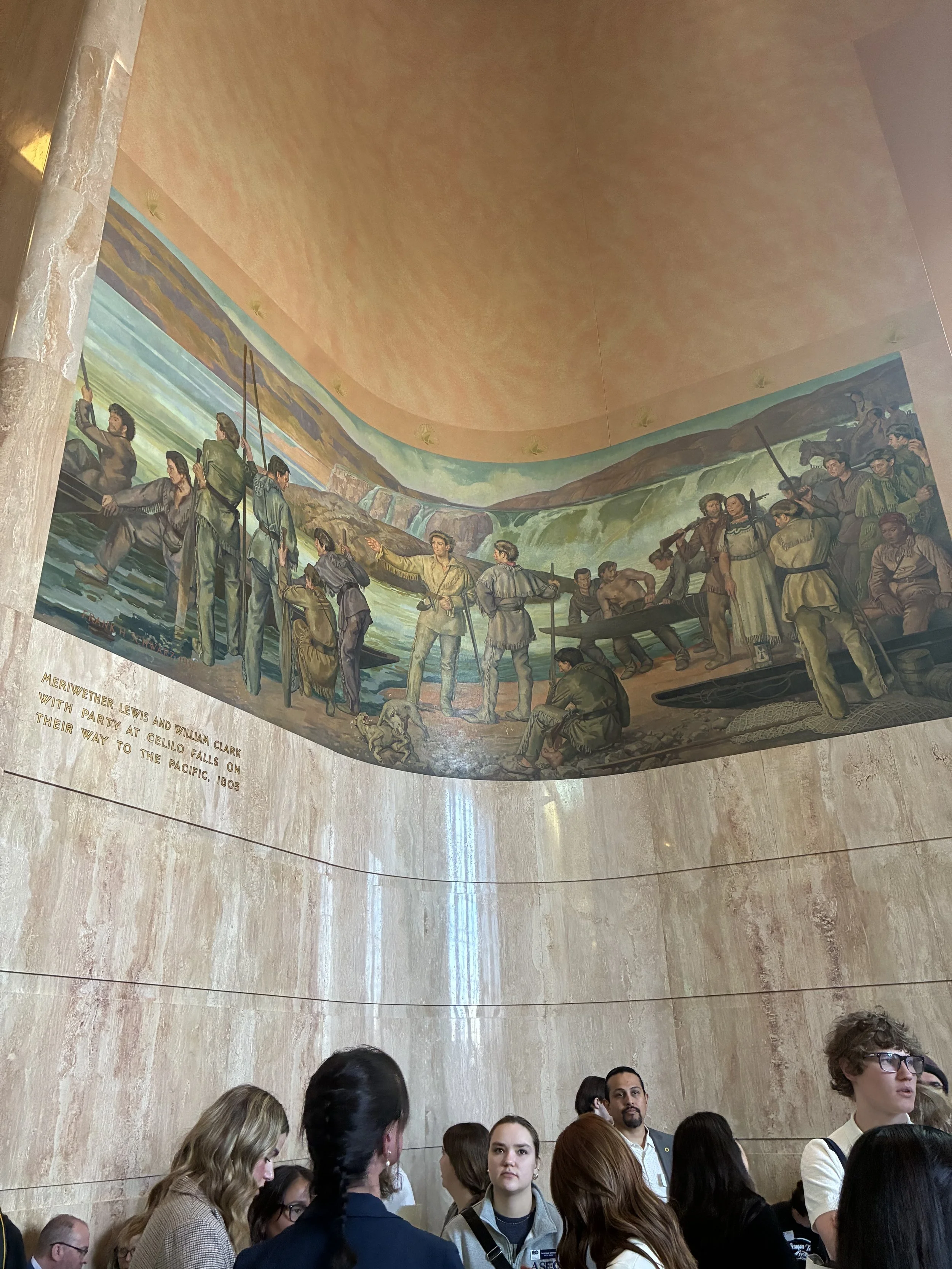
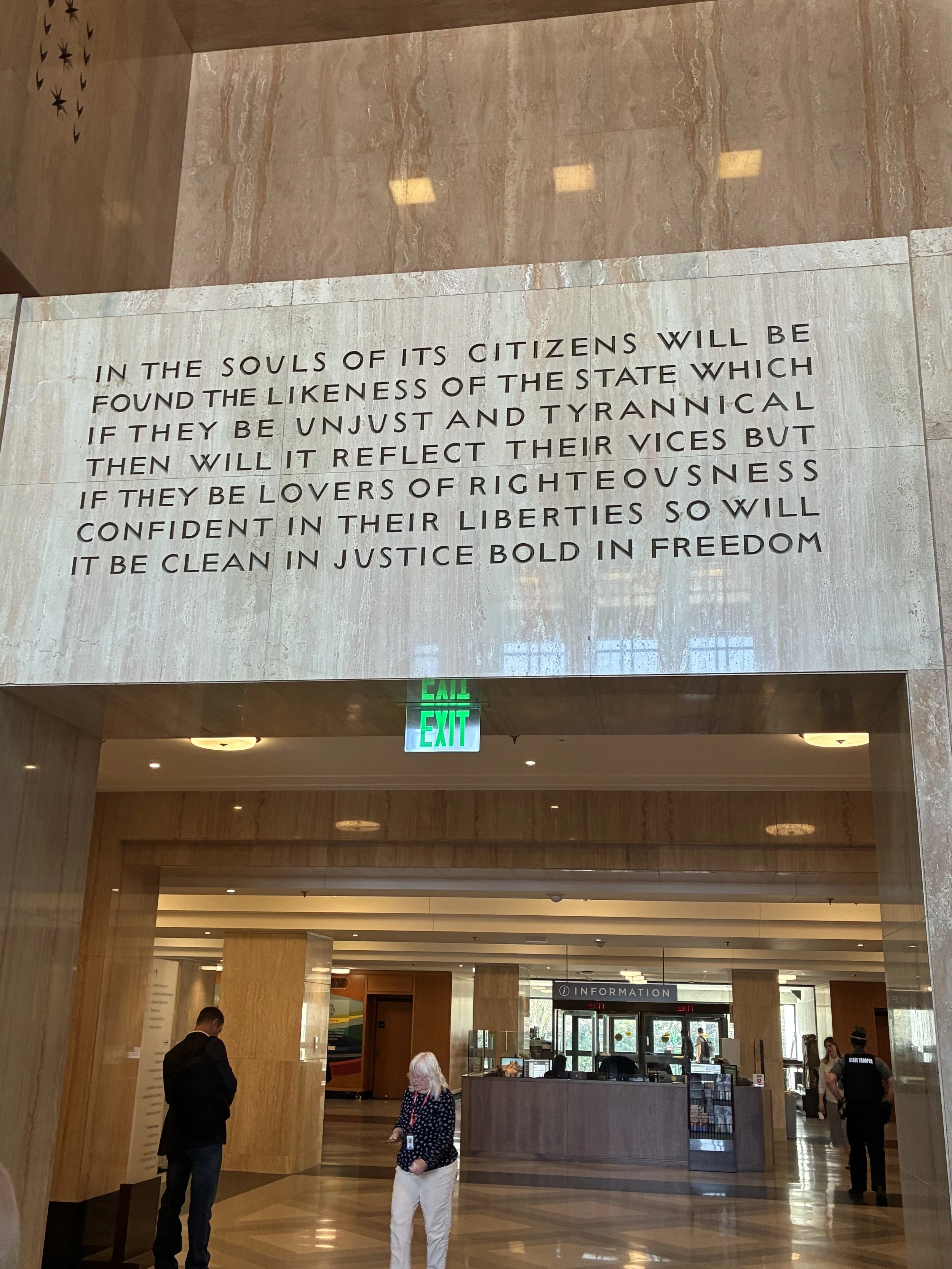
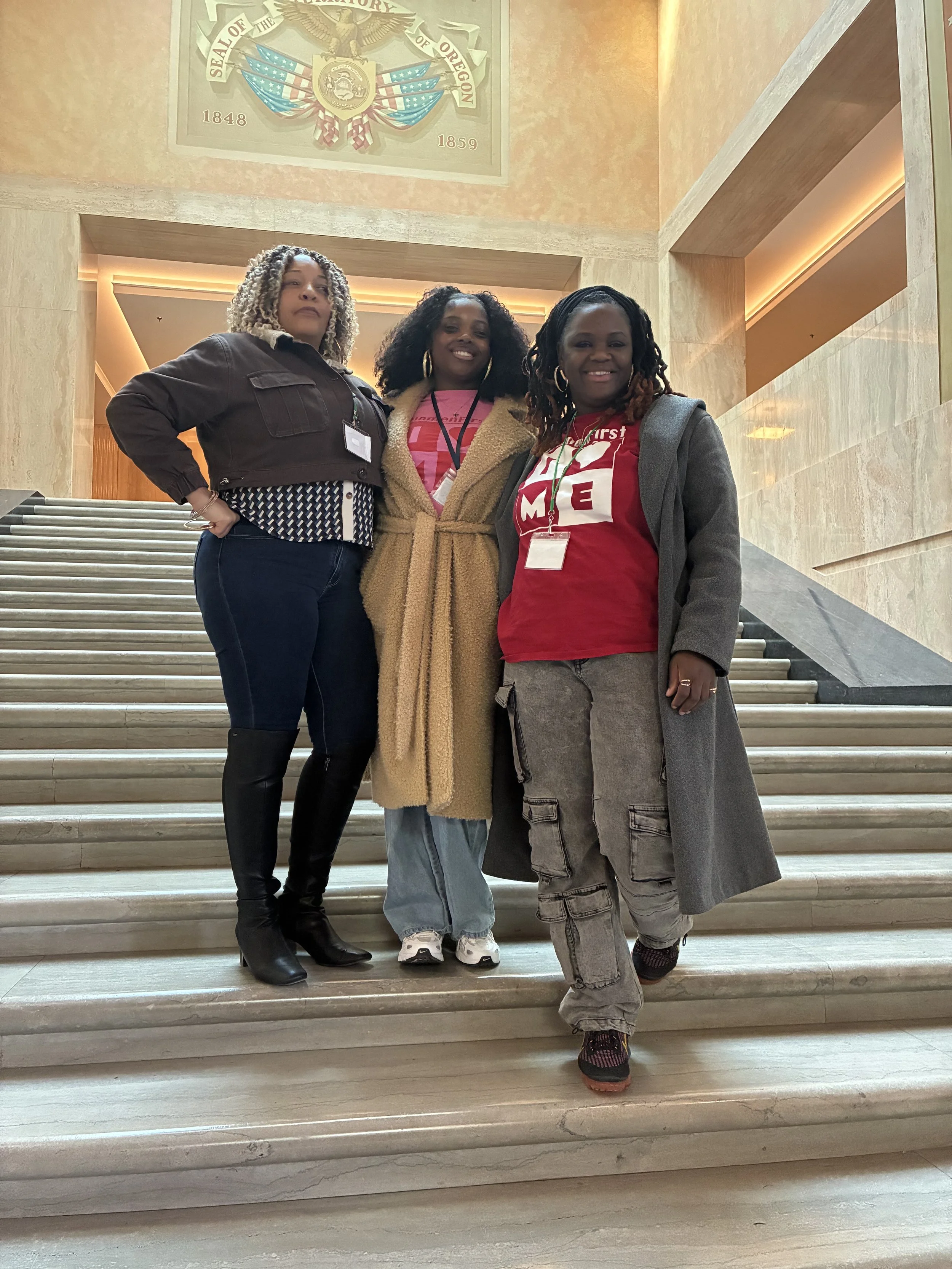
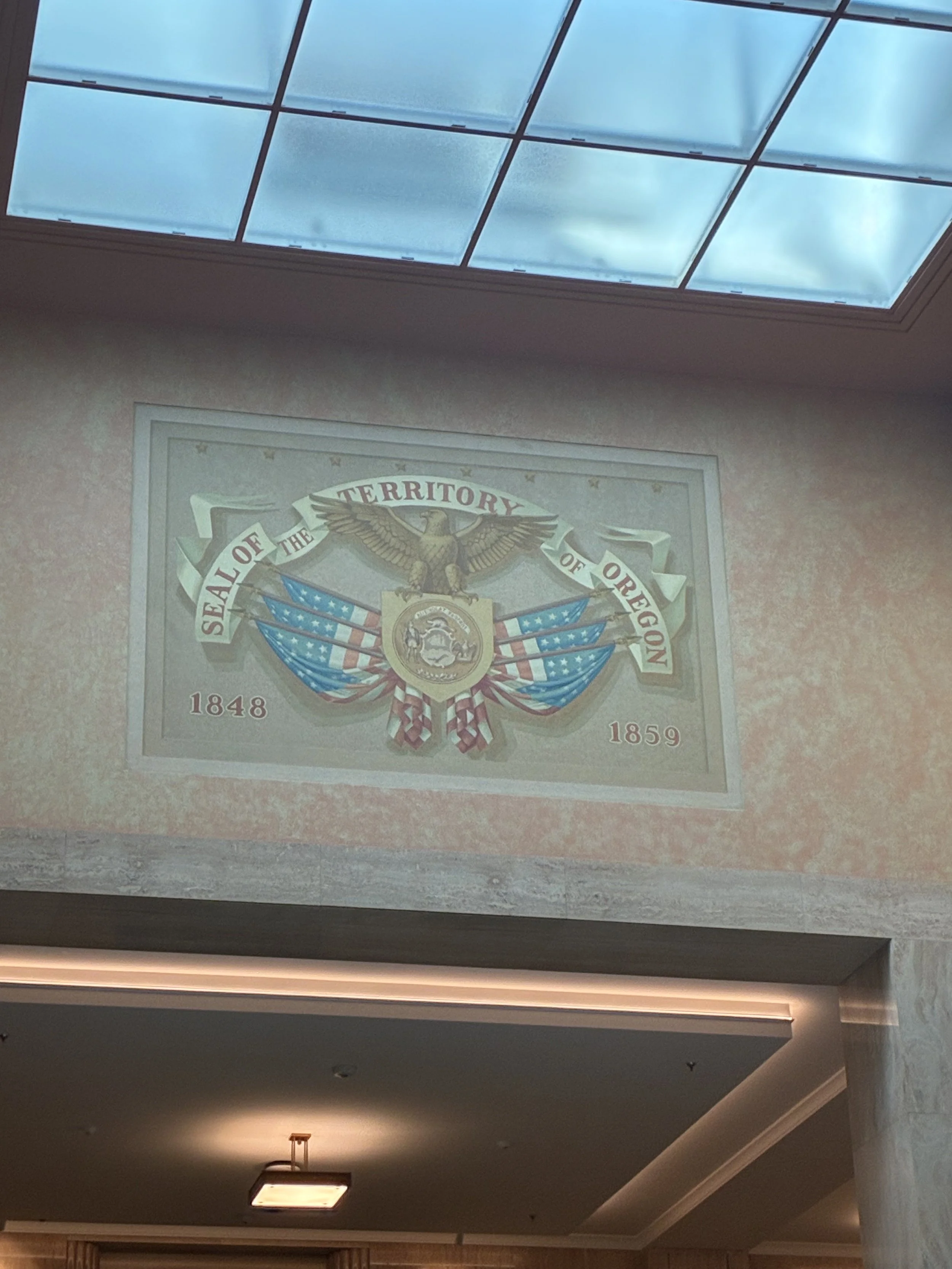
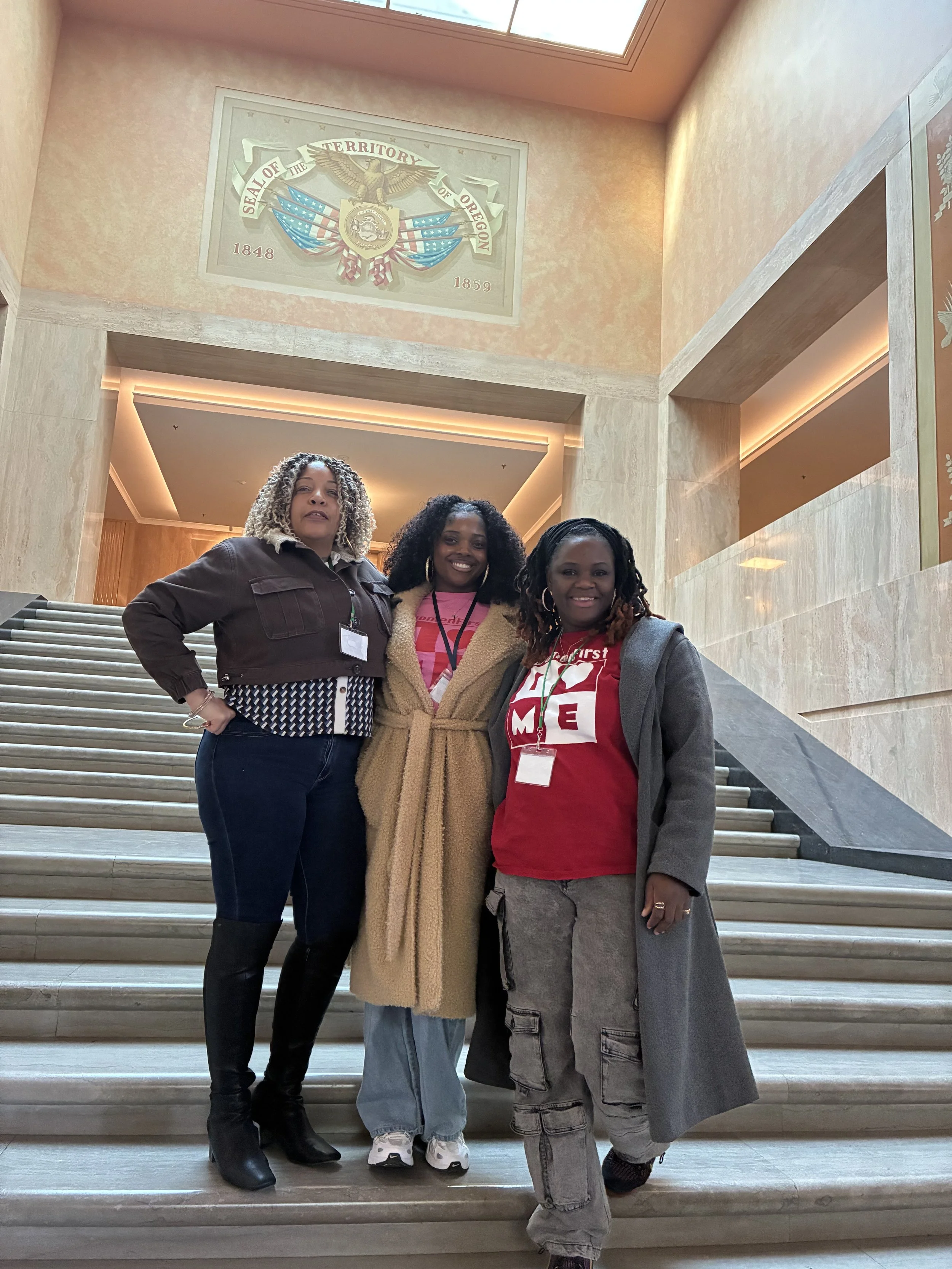
From the moment we walked up the Capitol steps under the Seal of the Territory of Oregon, there was a sense of responsibility in the air. The marble walls, historic murals, and engraved words about justice and freedom aren’t just decoration — they’re reminders of what government is supposed to reflect.
And that’s exactly why we were there.
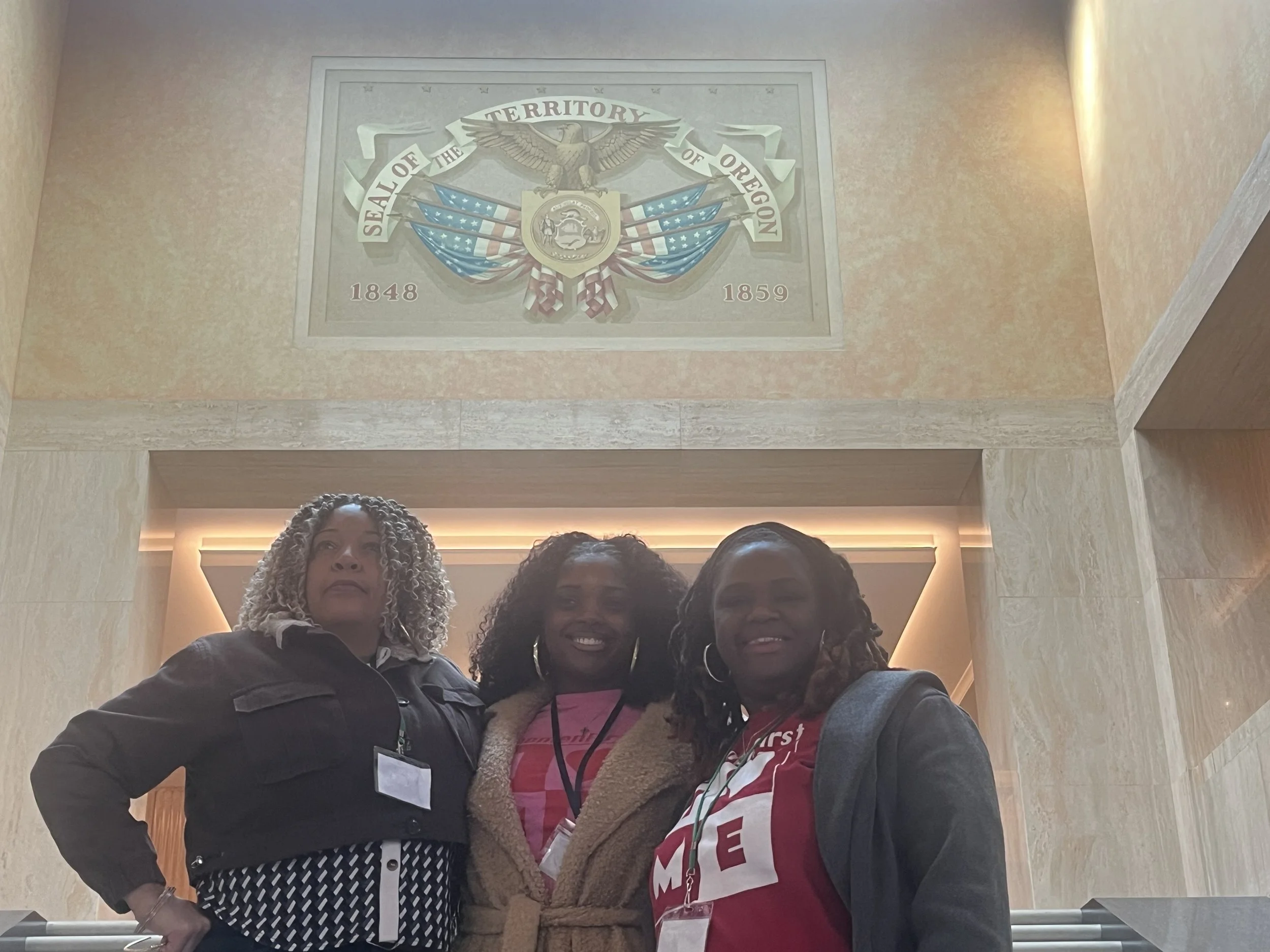
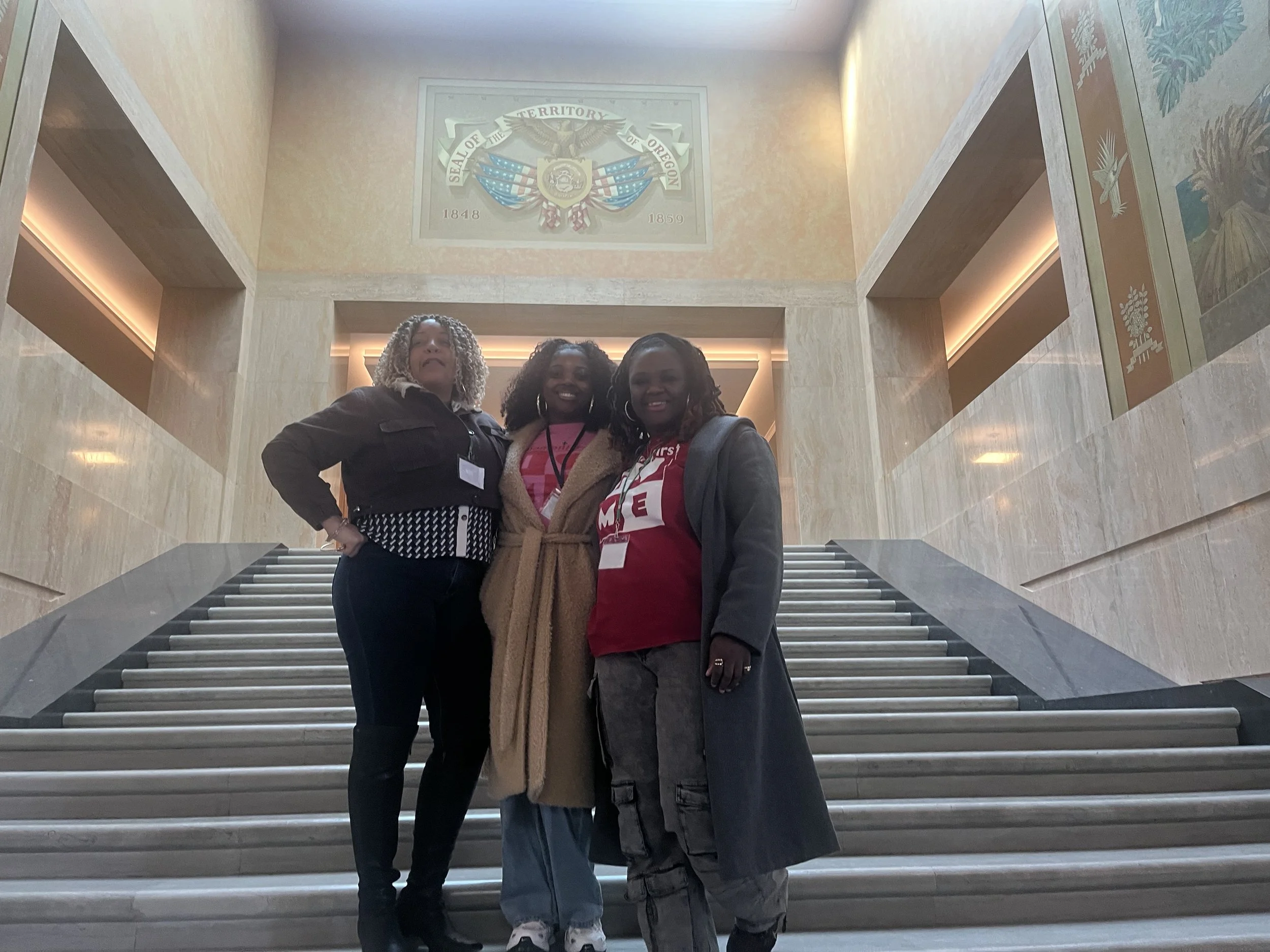
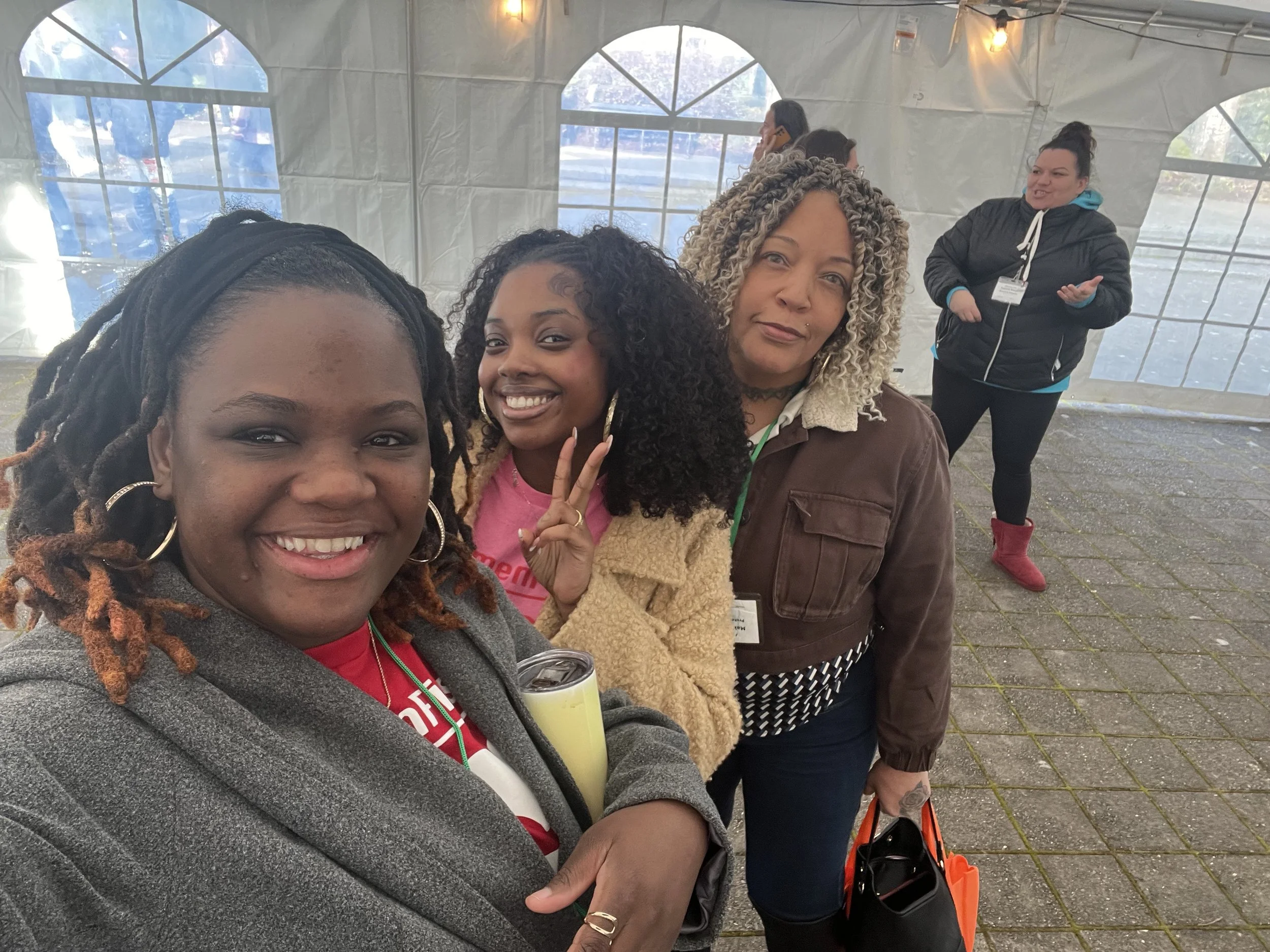
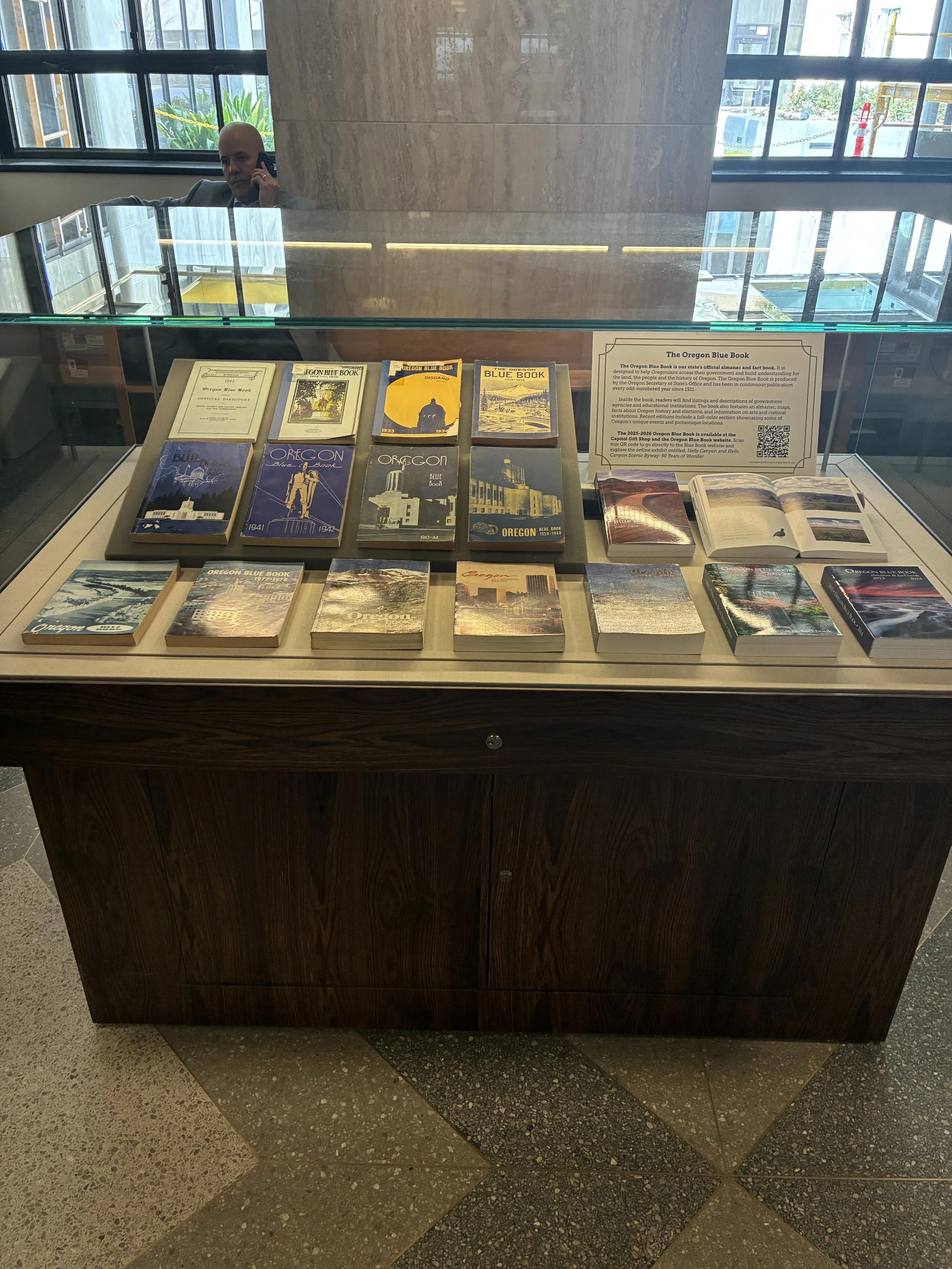
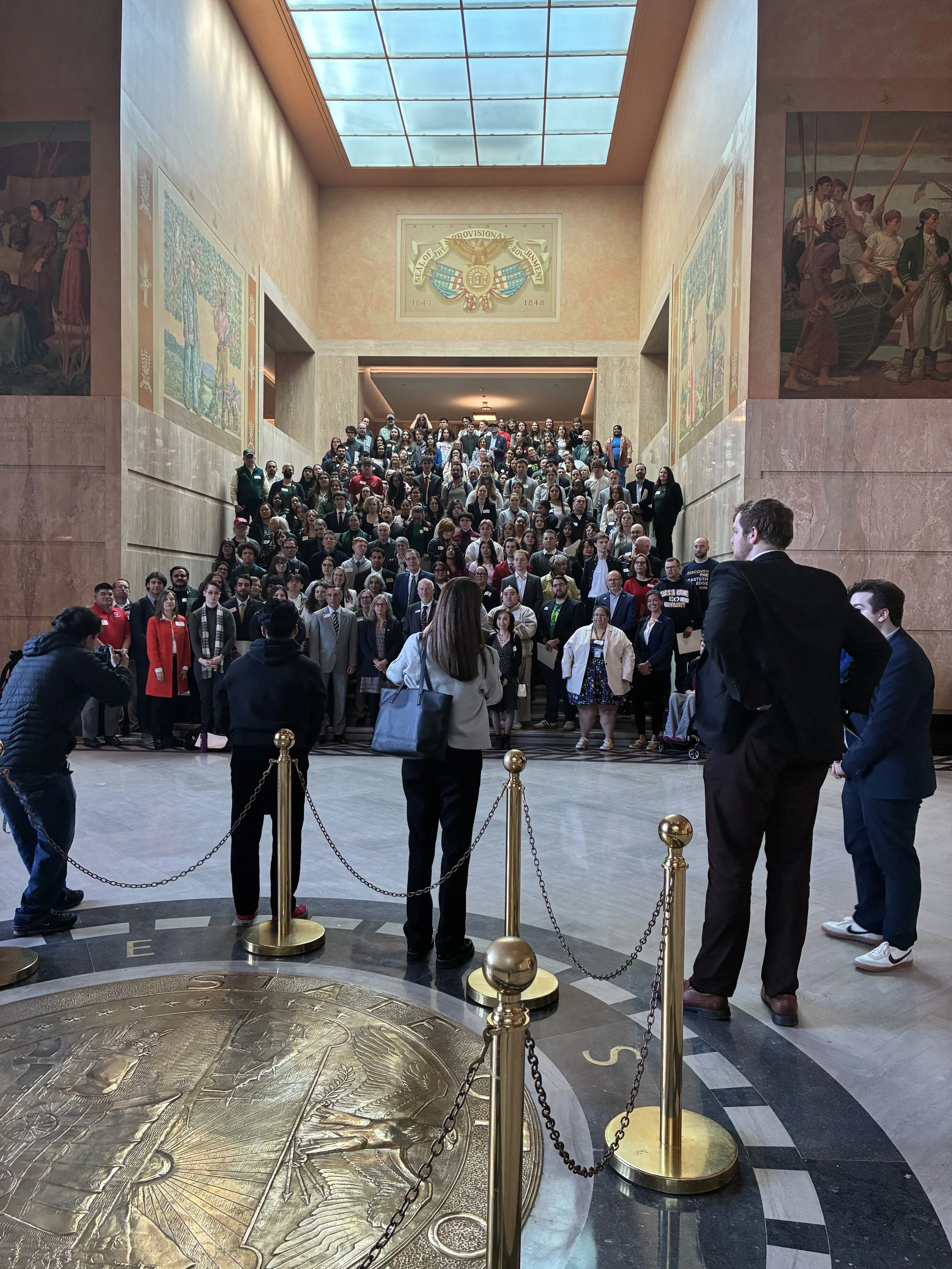
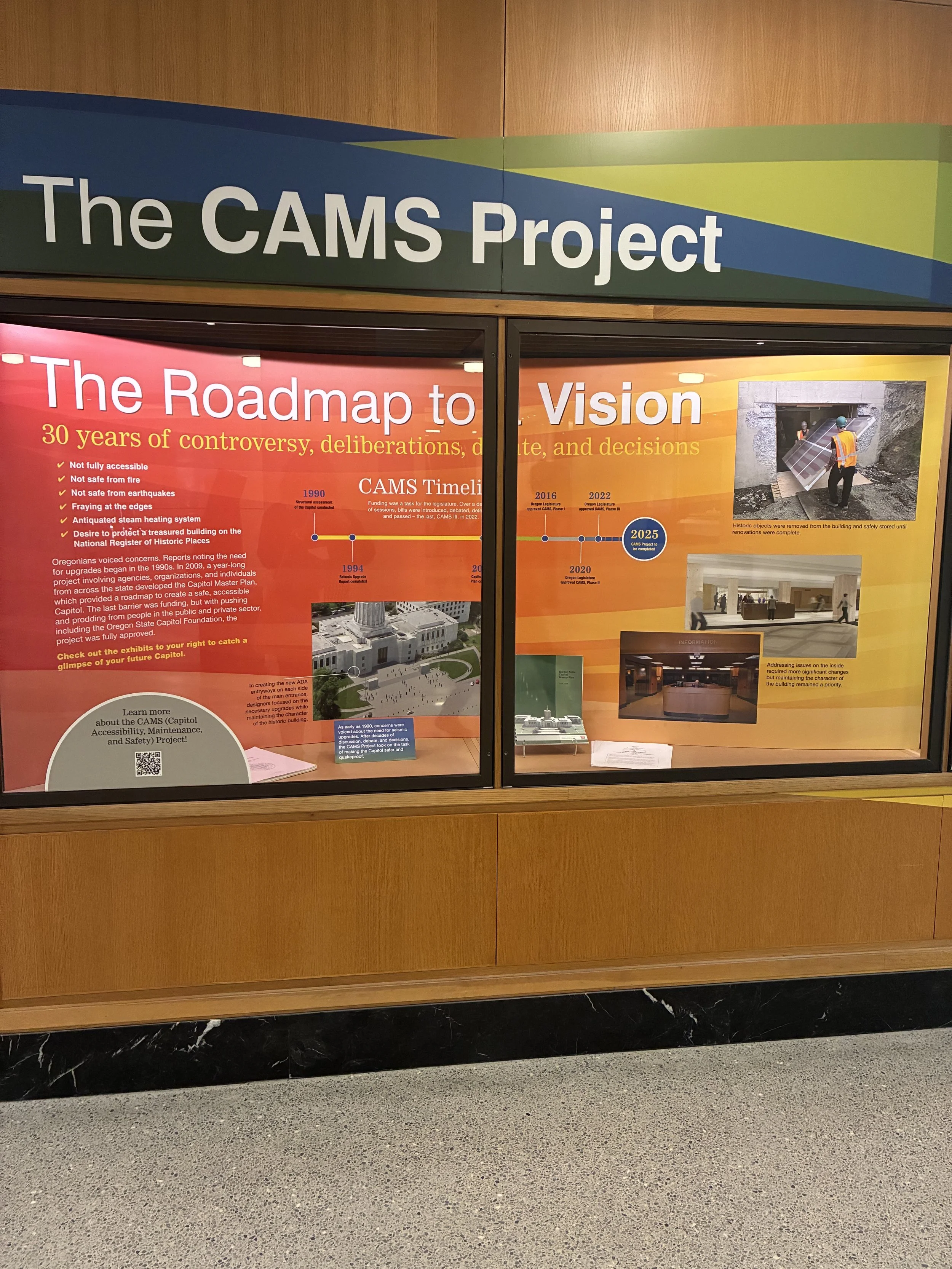
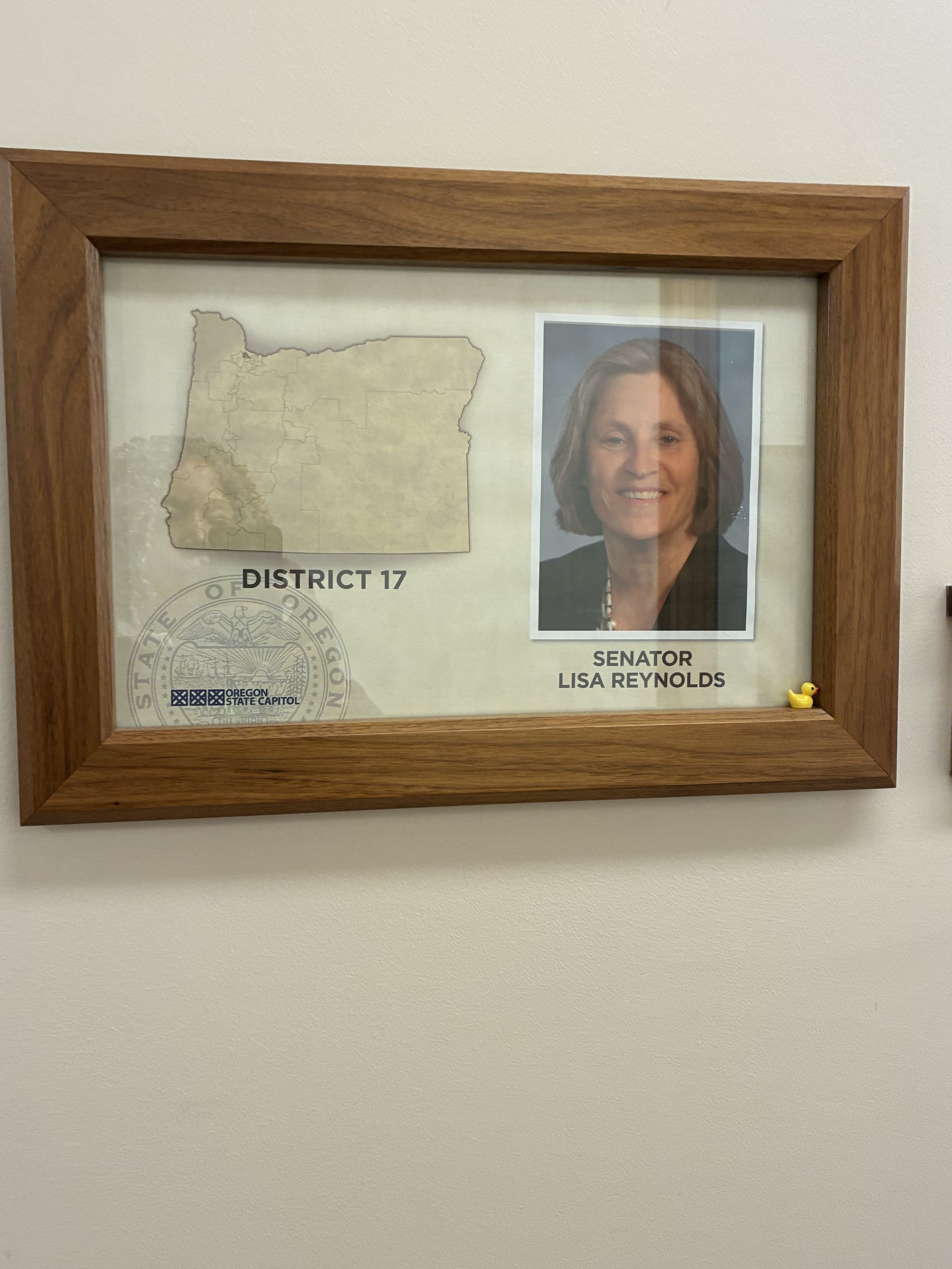
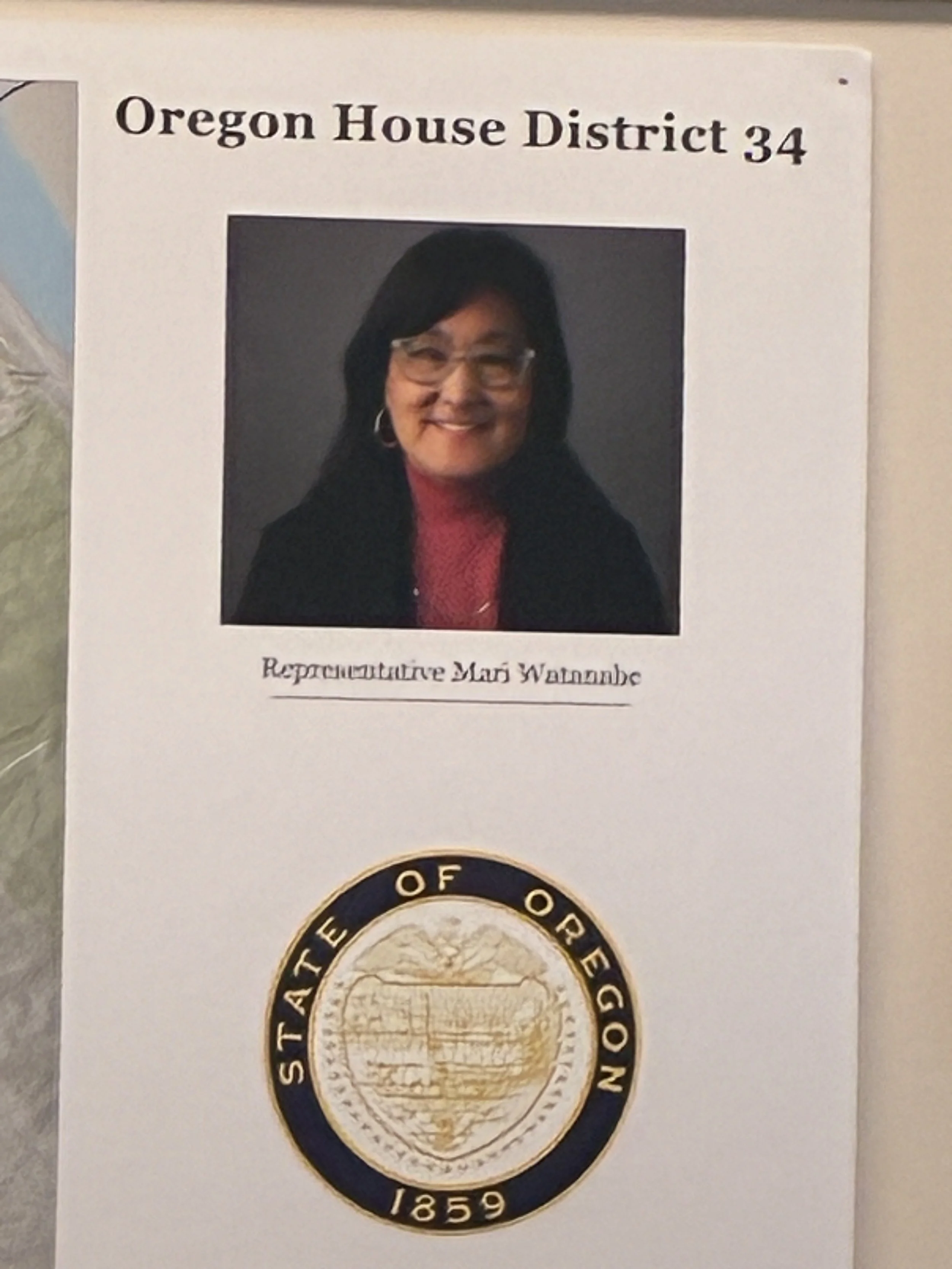
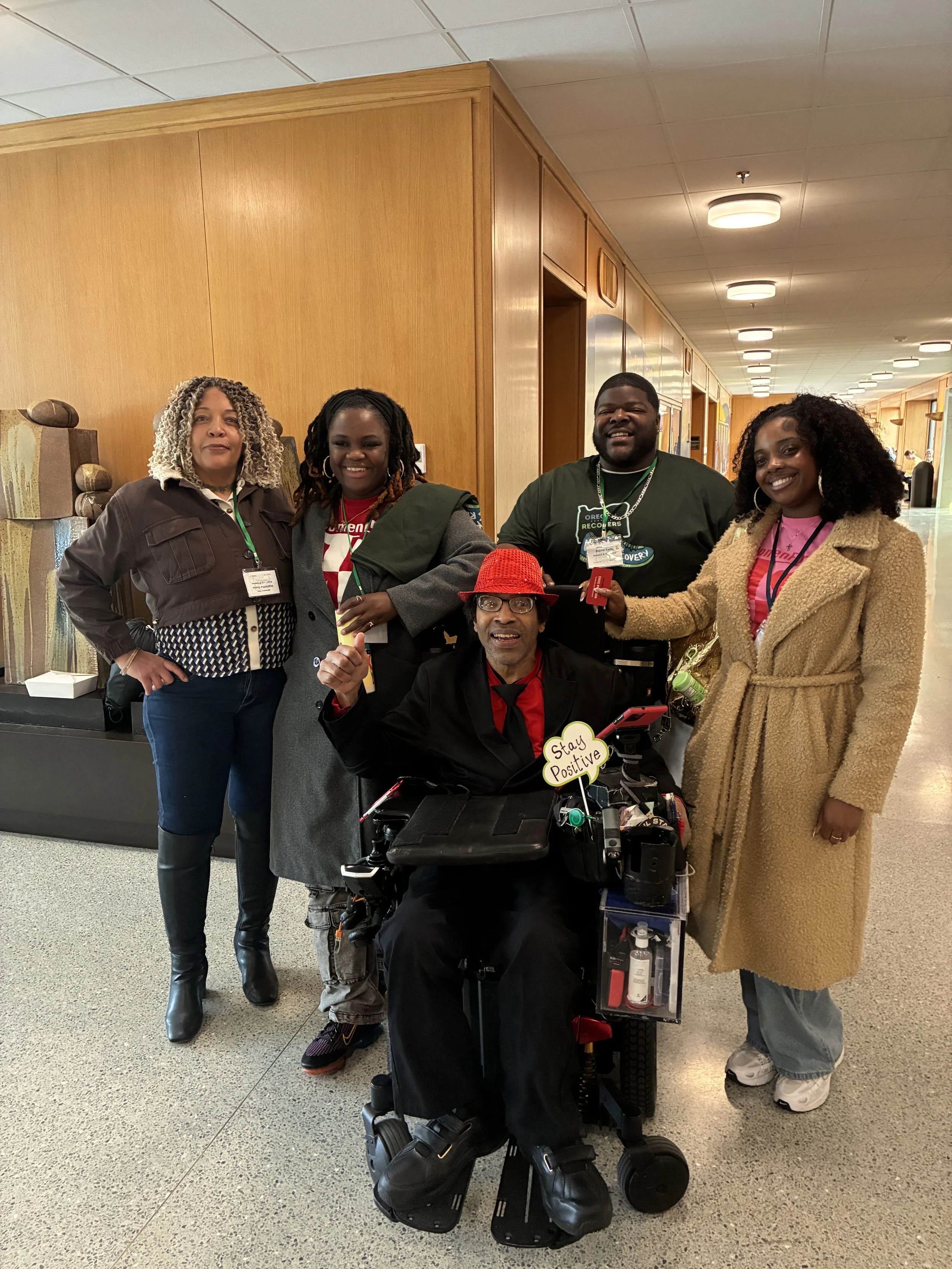
Advocates from across Oregon — people in recovery, service providers, community leaders, and allies — showed up to speak directly with legislators about protecting access to lifesaving recovery services.
This wasn’t abstract policy talk. This was about housing. Treatment. Peer support. Medicaid access. Real people.
The Legislative Priorities
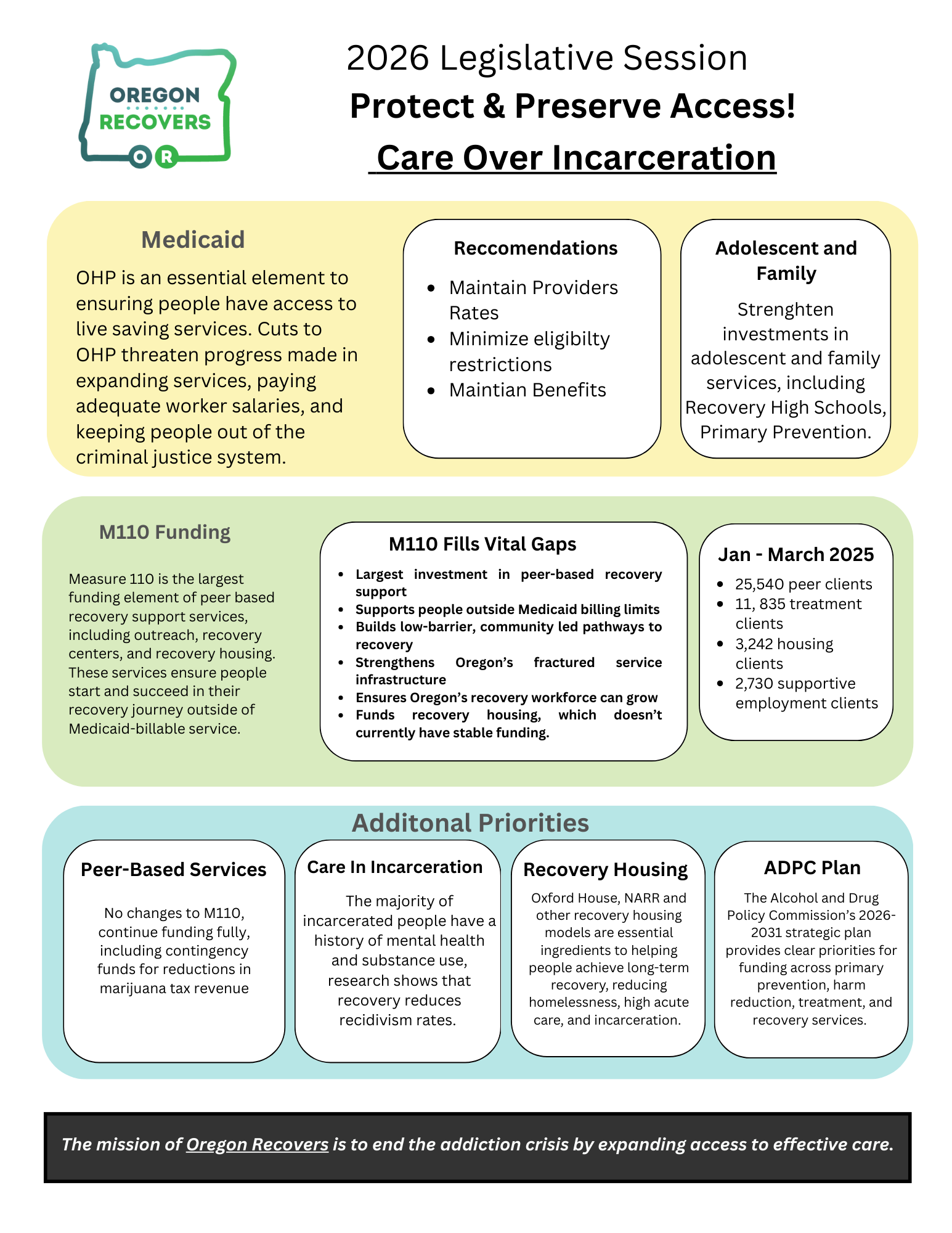
Oregon Recovers outlined several core priorities for the 2026 legislative session:
Medicaid (OHP)
Maintain provider rates
Minimize eligibility restrictions
Maintain benefits
Cuts to OHP threaten expanded services, workforce stability, and access to care that keeps people out of the criminal justice system.
M110 Funding
Measure 110 represents the largest investment in peer-based recovery support in Oregon’s history. It funds outreach, recovery housing, and community-led pathways to recovery — particularly for people outside Medicaid billing structures.
Additional Priorities
Continued support for peer-based services
Care in incarceration settings
Recovery housing infrastructure
Strategic funding under the Alcohol and Drug Policy Commission plan
The message was simple: Recovery works when it’s funded.
The Power of Showing Up
What stood out most wasn’t just the policy platform — it was the people.
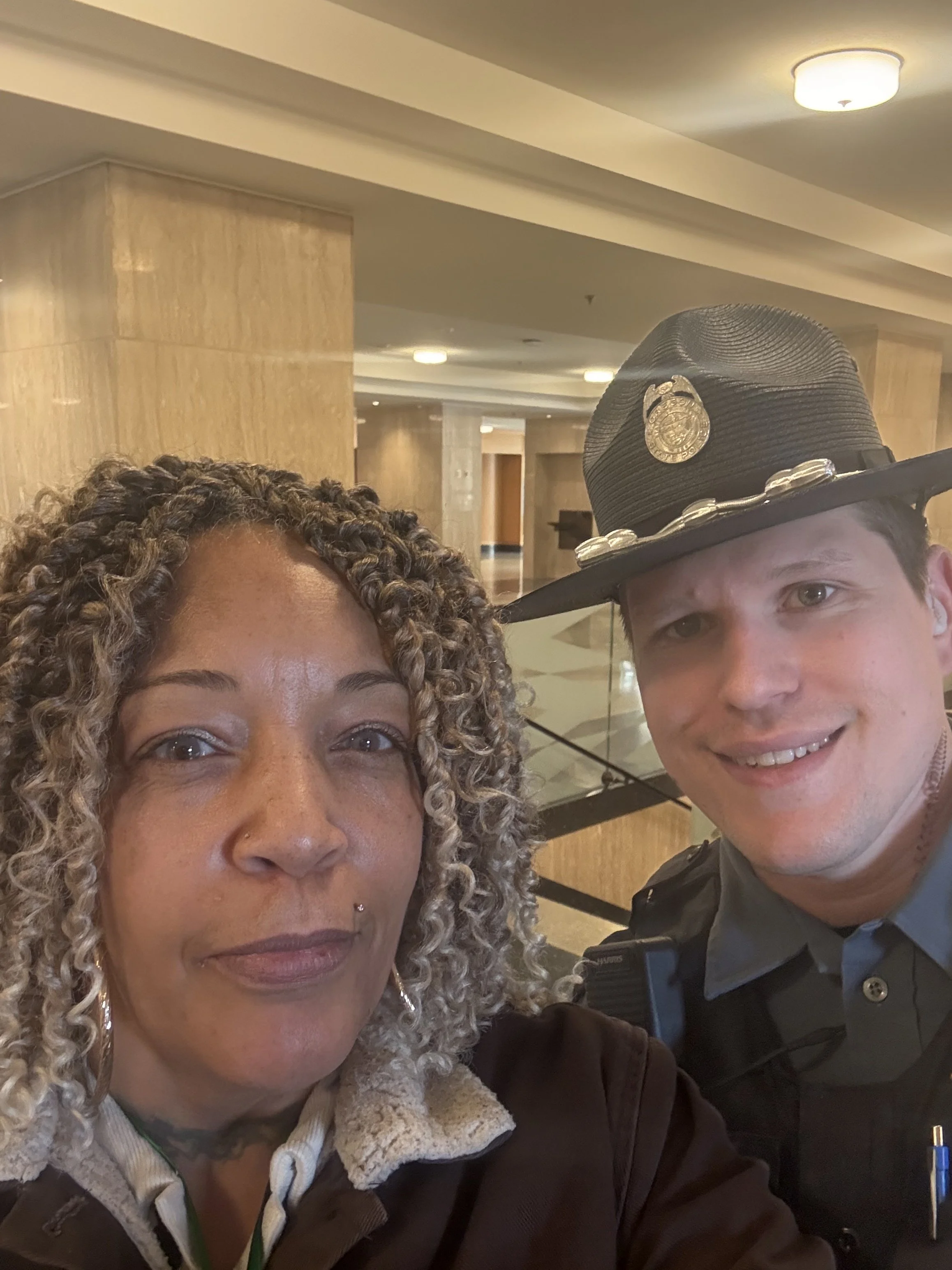
Smiles in the hallway.
Selfies on the Capitol steps.
Conversations in offices.
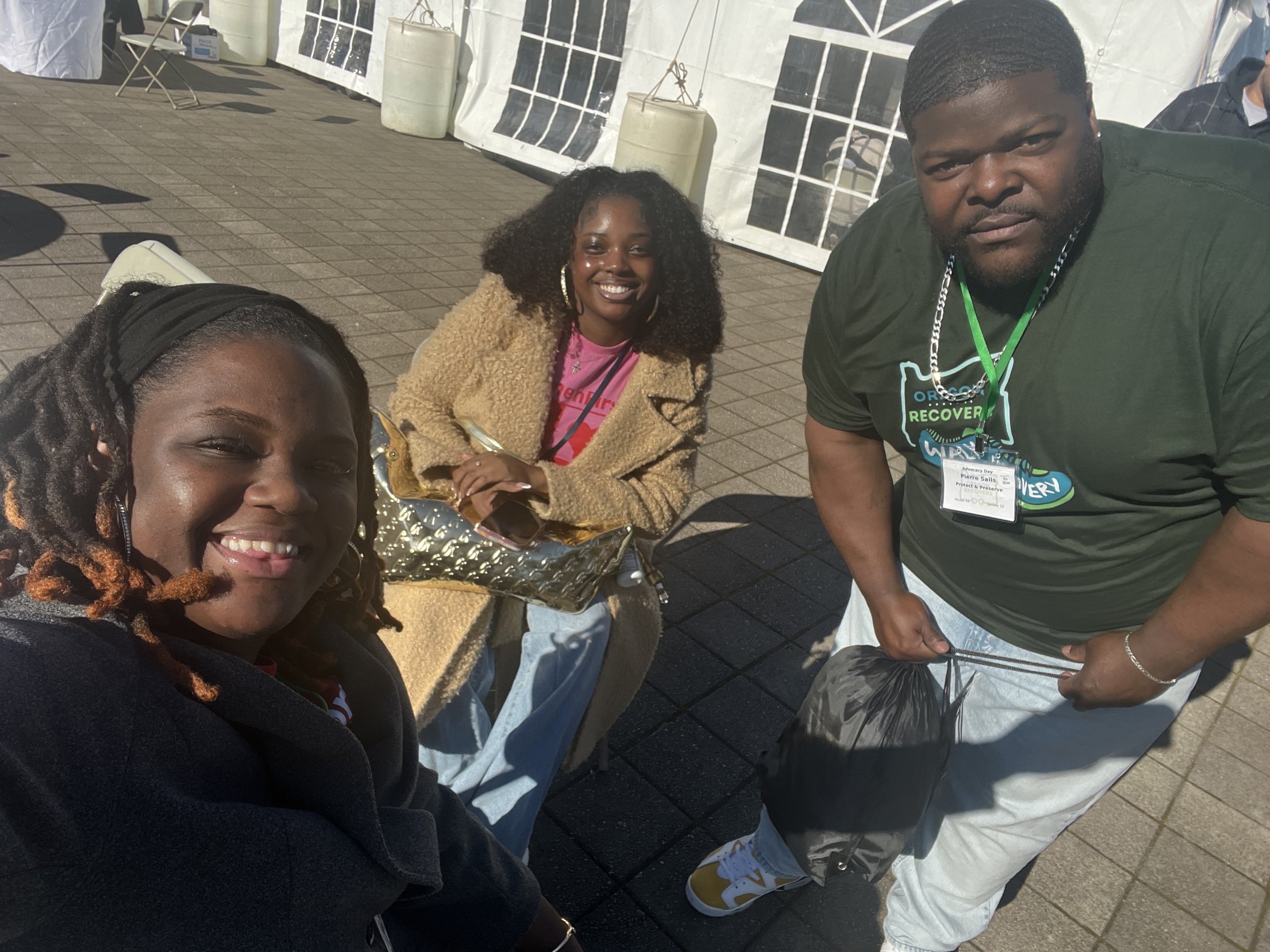
Community inside the tents outside.
When people in recovery walk into a legislator’s office and share their story, it changes the tone of the room. Recovery stops being a statistic and becomes a face.
That matters.
Care Over Incarceration
One phrase repeated throughout the day: Care over incarceration.
The majority of incarcerated people have histories of mental health and substance use challenges. Research shows recovery reduces recidivism. Funding recovery housing, peer support, and prevention services isn’t “soft on crime.” It’s smart policy.
If Oregon wants different outcomes, we have to invest differently.
Why Advocacy Day Matters
Advocacy isn’t glamorous. It’s early mornings, scheduled meetings, tight agendas, and a lot of walking.
But it’s also democracy in motion.
Policy is shaped by who shows up. And on February 12, recovery showed up.
Loyalty Hustler attended not just to observe, but to stand in solidarity with people fighting for access to services that save lives. The takeaway was clear:
Funding decisions are happening now.
Recovery voices must be present.
The time to act is not later. It’s during session.
Final Reflection
Standing beneath the Capitol’s inscription about justice and freedom, one thought lingered:
A state reflects the values of its people.
If we value recovery, housing stability, treatment access, and community-based support — we have to defend them.
Advocacy Day 2026 wasn’t just an event. It was a reminder that recovery is political, policy is personal, and showing up is power.
And Oregon showed up.
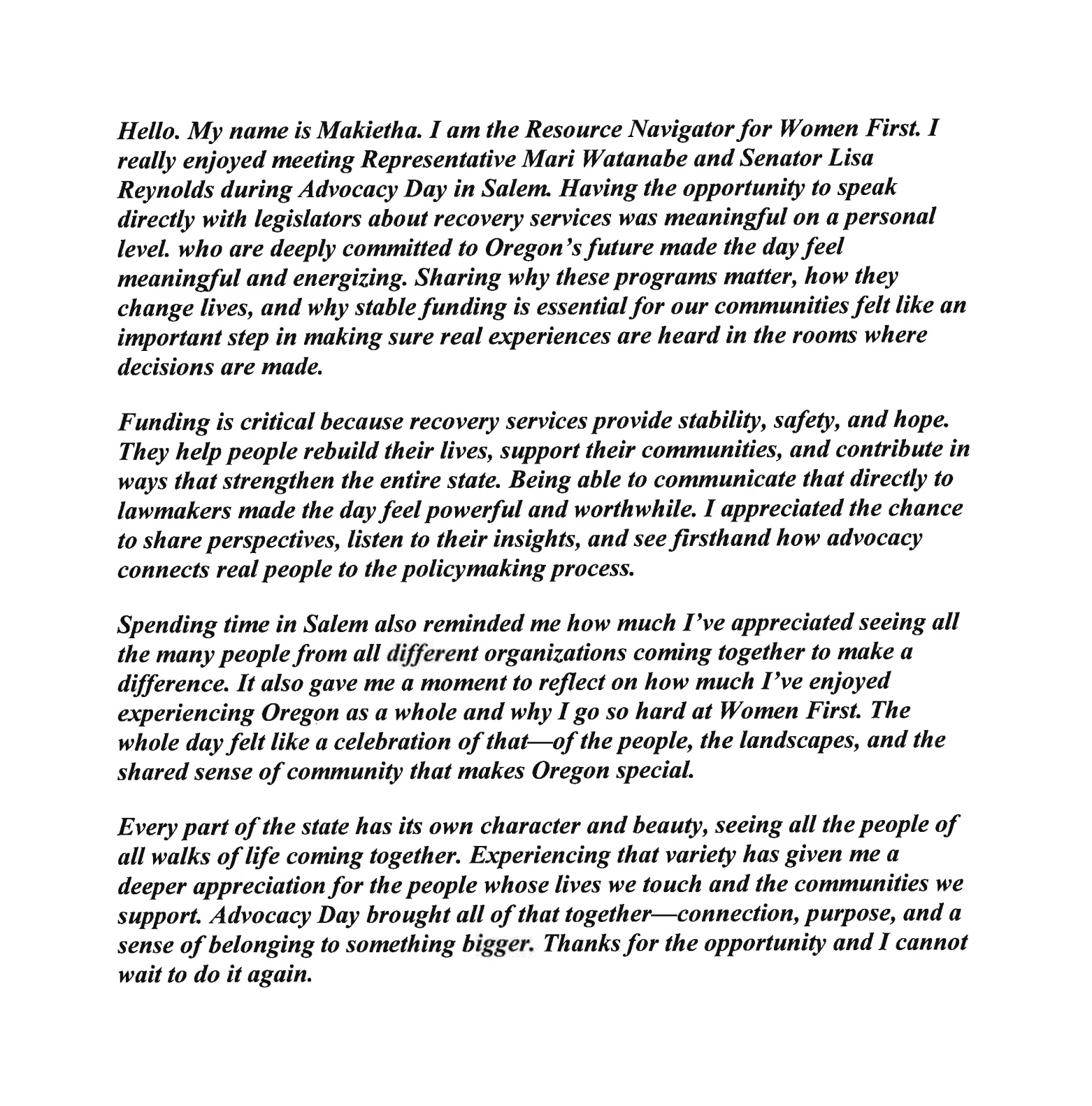
Makietha’s letter describing her experience at Advocacy Day
Makietha’s Letter
Helo. My name is Makietha. I am the Resource Navigator for Women First. I
directly with legislators about recovery services was meaningful on a personal level. who are deeply committed to Oregon's future made the day feel meaningful and energizing. Sharing why these programs matter, how they change lives, and why stable funding is essential for our communities felt like an
important step in making sure real experiences are heard in the rooms where decisions are made.
Funding is critical because recovery services provide stability, safety, and hope. They help people rebuild their lives, support their communities, and contribute in ways that strengthen the entire state. Being able to communicate that directly to lawmakers made the day feel powerful and worthwhile. I appreciated the chance to share perspectives, listen to their insights, and see firsthand how advocacy connects real people to the policymaking process.
Spending time in Salem also reminded me how much I've appreciated seeing all the many people from all different organizations coming together to make a difference. It also gave me a moment to reflect on how much I've enjoyed experiencing Oregon as a whole and why I go so hard at Women First. The whole day felt like a celebration of that—of the people, the landscapes, and the shared sense of community that makes Oregon special.
Every part of the state has its own character and beauty, seeing all the people of all walks of life coming together. Experiencing that variety has given me a deeper appreciation for the people whose lives we touch and the communities we support. Advocacy Day brought all of that together connection, purpose, and a sense of belonging ot something bigger. Thanks for the opportunity and I cannot wait to do it again.